

Ty Murray

Murray was drawn to rodeo early on. He loved bull riding, a rodeo sport that requires extreme daring and ability. It was clear by his adolescent years that he had the unique mix of physical strength and mental toughness needed to succeed in this rigorous sport.
Murray rose to bull riding fame quickly and relentlessly. He became the youngest PRCA World All-Around Champion aged 17 in 1987. This remarkable feat was just the start of his career, which would earn him a record seven All-Around World Championships.
Ty Murray was distinguished for his talent and hard ethic. He studied bull behavior, improved his skills, and conditioned himself physically and mentally. Unmatched commitment paid off as he constantly dominated the rodeo circuit, winning the respect and admiration of his fellow riders.
Murray’s legacy goes beyond championships. Besides riding, he was a sport ambassador. His magnetism on and off the arena helped mainstream bull riding and draw more people to rodeos. His TV and media appearances demystified the sport and brought it to new audiences.
Ty Murray’s 1993 PBR World Finals were a career highlight. Murray defeated “Bodacious,” a bull noted for its behavior and propensity to toss riders. His picture on Bodacious remains in rodeo history after this amazing ride made him a bull-riding icon.
Murray has excelled outside of rodeo. He co-founded the PBR, which revolutionized bull riding by allowing riders to compete globally. His vision made bull riders famous and elevated the sport.
Bull riding is dangerous and physically demanding, yet Ty Murray rode competitively into his thirties. His unwavering passion and love for the sport allowed him to perform at high levels for long periods. He resigned from bull riding in 2002 but remained important in rodeo.
Ty Murray will always be a bull-riding legend. His unbeaten seven PRCA All-Around World Championships, victory against Bodacious, and foundation of the PBR all leave a legacy. Murray has had a huge influence on bull riding and inspires young riders worldwide.
Tuff Hedeman

Few names in professional bull riding are as revered as Tuff Hedeman. Tuff Hedeman, born in El Paso, Texas, on March 2, 1963, became a rodeo legend with his unmatched talents, constant resolve, and ability to defeat the most dangerous and unpredictable animals.
Hedeman’s career was remarkable, inspiring future bull riders. He mastered bulls and became one of the finest bull riders ever.
Tuff Hedeman’s bull riding career began early. He was exposed to rodeo from the start, growing up in a rodeo household. As the son of a famous rodeo cowboy, Bob Hedeman, Tuff rapidly mastered the ropes. At 12, he started riding and developed his passion for bull riding.
Hedeman’s brilliance and bravery were obvious early on. He rose swiftly in amateur rodeo and went pro in 1983. He became famous on the PRCA circuit quickly. His first PRCA world title in 1986 solidified his bull riding stardom.
After joining the 1992-founded Professional Bull Riders (PBR), Tuff Hedeman became famous. First PBR World Champion in 1994, he achieved greatness. In 1995 and 1997, he won two more PBR world titles, cementing his legacy.
Tuff Hedeman was distinguished by his tenacity and consistency. Bull riders confront hard physical and emotional obstacles and often suffer injuries. Hedeman persevered through several ailments, including a broken neck, to achieve glory.
Lane Frost

Lane Frost was born in La Junta, Colorado, on October 12, 1963, into a rodeo-oriented family. His father, Clyde Frost, was a famous saddle bronc rider, and his mother, Elsie Frost, was of rodeo stock. Lane was a natural athlete from a young age. He became a talented and brave rodeo rider on the junior circuit.
Frost’s rise to bull riding glory was rapid. At 18, he received his Professional Rodeo Cowboys Association (PRCA) card in 1982 and began a career that captivated spectators nationwide. He quickly competed with sports legends due to his exceptional skill.
Lane Frost’s 1987 Cheyenne Frontier Days Rodeo meeting with Red Rock was a career highlight. Red Rock was formidable, having thwarted every rider in three years. Frost showed incredible talent and bravery by staying on Red Rock’s back for eight seconds and earning a high score from the judges. Lane Frost became a legendary bull rider after this ride.
Frost’s charm matched his athleticism. He connected with fans and popularized bull riding. His friendliness, rugged good looks, and cowboy charm made him a media favorite and household celebrity. Frost was more than a great rodeo rider—he helped popularize the sport.
Sadly, Lane Frost died at age 25. He fought “Takin’ Care of Business.” at the Cheyenne Frontier Days Rodeo on July 30, 1989. Unfortunately, this was his last ride. He dismounted after his eight-second ride, but the bull rushed him. Rodeo lost a brilliant light when Lane Frost was killed.
Lane Frost’s unexpected death affected rodeo and beyond. His parents founded the Lane Frost Brand, a clothing and lifestyle firm, to celebrate his bull riding achievements. Luke Perry played Frost in the 1994 biographical film “8 Seconds” in a touching homage, cementing his rodeo legend status.
Justin McBride

Born in Elk City, Oklahoma, on August 7, 1979, McBride’s stardom began early. Early exposure to bull riding in rodeo culture’s heartland sparked his enthusiasm. His family’s ranch was the perfect place to practice and get the confidence to face the rodeo’s dangerous animals.
In the late 1990s, McBride entered the PRCA and PBR, which launched his career. He immediately impressed with his ability to stay on the sport’s most powerful bulls. He got famous soon for his bravery and charm.
McBride was distinguished by his consistency and bull-fighting skills. Bull riding is dangerous and unpredictable, and accidents may end careers. McBride’s devotion and tenacity kept him at a high level. His 2005 and 2007 PBR World Championship titles made him one of the finest bull riders ever.
McBride’s mental toughness was outstanding. Bull riding is a mental and physical fight. Every bull rider faces dread, mistrust, and suffering. McBride’s mental toughness allowed him to stay cool and focused in difficult situations. His unwavering self-confidence inspired his fellow riders and millions of supporters worldwide.
McBride fought Little Yellow Jacket and Mossy Oak Mudslinger, two of the sport’s most legendary bulls. His ability to remain on these strong opponents and win frequently garnered him peer respect and cemented his image as a bull riding legend.
McBride’s effect on the sport goes beyond his championships and records. He inspired bull riders to work hard and be determined to succeed in rodeo. His charm and humility made him popular with fans and riders.
Justin McBride retired from bull riding in 2008, leaving a legacy in rodeo. His achievements to the sport are still appreciated, and he inspires others who follow him. Justin McBride will always be remembered as a champion bull rider who won the hearts of those who witnessed him.
Chris Shivers

Chris Shivers’ effect on the sport and tremendous record of accomplishments make him one of the top bull riders of all time. His decade-long career shows his unmatched skill, devotion, and resilience.
Shivers began bull riding professionally at an early age, being known for his daring and ability. In 1999, he won his first PRCA World Championship aged 20 after joining the PRCA in 1997. Early success was a preview of future success.
Chris Shivers’ ability to defeat the sport’s most prominent bulls defined his career. He defeated giants like Bodacious and Little Yellow Jacket, analyzing bull behavior and being calm in dangerous situations. He surpassed his adversaries with grace, strength, and tenacity by adapting to each bull’s style.
Shivers had obstacles in his profession. Like any professional athlete, he suffered injuries that would have deterred others. He continually beat the odds, recovering from injuries that would have terminated many careers. He inspired bull riders and fans worldwide with his perseverance.
Over his career, Chris Shivers won many awards. He was PRCA World Bull Rider Champion in 1999 and 2000. Multiple PBR World Finals performances demonstrated his consistency and superiority. Shivers won three PBR World Finals events, cementing his bull riding championship status.
Through his influence on future bull riders, Chris Shivers’ legacy on the sport goes beyond his arena exploits. He mentored novice rodeo riders seeking to succeed. His eagerness to share his expertise and experiences made him a superb competitor and a popular favorite in bull riding.
Like any great athlete, Chris Shivers’ legacy lives on beyond bull riding. He forever changed the sport and inspired many to follow their goals. His unmatched ability, relentless determination, and dedication to bull riding will immortalize him.
Adriano Moraes

Born October 19, 1970, in São Paulo, Brazil, Adriano Moraes’ impoverished beginnings shaped his remarkable bull riding experience. His humble upbringing and unwavering perseverance helped him become one of the sport’s top bull riders.
Moraes entered professional rodeo in the early 1990s, and spectators and competitors quickly noticed his skill. He rode with grace, grit, and courage. He had an almost mystical capacity to read the bull under him and anticipate its every move.
Adriano Moraes stood out for his consistency. Moraes was consistent in a sport with a razor-thin margin for error. He was able to ride even the most mischievous bulls. He earned the nickname “The Ironman of Bull Riding.” by riding bull after bull, round after round, without falling.
As the first non-American to win a PRCA World Championship, Moraes’ greatest accomplishment was in 1994. This victory cemented his legacy and allowed international bull riders to participate at the top level.
Adriano Moraes’ passion for the sport and his fellow riders made him a legend, not simply his technical skill. Sportsmanship, modesty, and mentoring younger riders were his hallmarks. Moraes fostered worldwide bull-riding friendships.
Moraes won three PRCA World Championships and had a lasting effect on rodeo. His cultural icon status in Brazil inspired many new rodeo riders. He helped popularize bull riding abroad, beyond the US.
Adriano Moraes retired from bull riding in 2008, yet his impact lives on. His incredible career of skill, resilience, and sportsmanship has shaped rodeo. He is liked by rodeo fans and people who respect his perseverance.
Don Gay

Born February 8, 1953, in Mesquite, Texas, Don Gay’s bull riding career began early. Born into a rodeo family, he was familiar with the sport. Don was destined to follow his father, Neal Gay, a great rodeo cowboy.
Don rose quickly and dramatically in bull riding. He debuted in 1969 with the Professional Rodeo Cowboys Association (PRCA) at 16 and quickly became famous for his talent and courage. Gay stood out for his ability to climb the most dangerous bulls.
In his remarkable career, Don Gay won eight PRCA World Bull Riding Championships. He is the bull riding king due to this unmatched performance. He won championships in 1974, 1975, 1976, 1977, 1978, 1979, 1980, and 1981 across two decades. His consistency in winning these medals showed his competence, mental tenacity, and competitive spirit.
The way Don Gay earned his championships sets him distinct, not just the amount. Gay routinely defeated the most vicious and unpredictable bulls in the rodeo. His immaculate form, balance, and dedication to the eight-second ride defined his style. Even while confronting dangerous bulls, he made it appear easy.
Gay’s impact on the sport went beyond his athletic prowess. He helped bullriding become a worldwide sport from a provincial one. His enthusiasm and eagerness to connect with spectators made him popular inside and outside the rodeo world. Bull rider Don Gay was also a rodeo ambassador.
Cody Lambert

Professional bull rider Cody Lambert is revered like a legend. Cody Lambert, born November 29, 1961, in Artesia, New Mexico, became a legendary bull rider. His rise from a teenage cowboy with a dream to a rodeo superstar is a monument to his ability, dedication, and champion spirit.
Lambert’s bull riding career was remarkable. He became a PRCA powerhouse after debuting in 1980. He was known for his daredevil bull riding. Lambert battled some of the toughest bulls in the sport, giving him the nickname “The King of the Cowboys.”
Cody Lambert excelled in the arena throughout his career. He won the 1987 PRCA World Bull Riding Championship, demonstrating his riding talents and ability to manage even the strongest opponents. Lambert was an absolute genius at reading bulls and adapting to their actions.
Cody Lambert was known for his tireless work ethic. He was a true professional who spent hours practicing and staying fit. His longevity in the sport was due to his intensive bull riding, strength, and cardiovascular conditioning.
Lambert’s bull riding contributions went beyond his skill. He helped form the Professional Bull Riders (PBR), which revolutionized the sport and raised its global status. Lambert helped bull riders compete at the greatest level and win distinction as a PBR founder. Professional bull riding is forever changed by his vision and dedication.
Cody Lambert was a distinguished bullfighter and stock contractor in addition to his ring successes. He was important in protecting riders during contests because to his knowledge of bull behavior and reflexes. Lambert’s skill in selecting and delivering top-tier bucking bulls cemented his fame.
Cody Lambert’s motivation of aspiring bull riders may be his most lasting legacy. His rise from a young rancher following a dream to a legendary bull rider gives others hope. Lambert is a rodeo icon due to his passion to the sport, bravery in risk, and progress.
J.W. Harris

Harris’ path to bull riding immortality was difficult. He was bred to rodeo by his rodeo-loving family. He loved bull riding since childhood, which shaped his life. Already a talented young rider, Harris rose swiftly in the rodeo circuit because to his commitment.
J.W. Harris’ consistency and durability in a physically and mentally demanding profession make him one of the finest bull riders ever. Harris has performed well for nearly a decade, an accomplishment few riders can match. His unmatched talent and dedication allow him to stay atop bucking bulls of any size or temperament.
Harris is known for his daredevil bull riding. Despite facing some of the most dangerous bulls in rodeo, he never backs down. He is respected by his peers and loved by people worldwide for his boldness. J.W. Harris always puts on an exciting show: every ride is a struggle between man and beast.
J.W. Harris’ career shows his excellence. He has won many PRCA world championships and is among the world’s best bull riders. Harris has also excelled at the Wrangler National Finals Rodeo, rodeo’s biggest stage.
J.W. Harris’s legacy goes beyond titles and honors. He is revered by riders and spectators for his passion for the sport. Harris inspires bull riders to work hard and succeed in rodeo.
Beyond his riding talents, J.W. Harris has shaped the sport. He helped popularize bull riding, making it more accessible and entertaining. His charm and passion for the sport come through in every interview and appearance, making him a fan favorite inside and beyond the arena.
Over time, J.W. Harris has changed as a rider, adjusting to the sport’s demands. His resilience and ability to stay on top when younger talent emerges demonstrate his excellence.
Sage Kimzey

Sage Kimzey, born in Strong City, Oklahoma, on August 26, 1994, seemed destined for rodeo. Dad Ted Kimzey and uncle Scott Kimzey were bull riders, hence his family is involved in the sport. Sage fell in love with bull riding at a young age after being introduced to rodeo culture.
Kimzey is unique in his ability and passion. He made an impression on the professional stage with his fervor. His inherent balance, control, and composure on a bucking bull is astonishing. Many experts and riders call his riding style poetry in motion, a perfect mix of elegance and strength.
Kimzey’s work ethic defines his excellence. He considers bull riding a lifestyle. His extensive preparation involves hours in the practice pen improving his technique and physical and mental strength. Kimzey knows that bull riding, where margins for error are tiny, requires preparation.
Kimzey’s career is full of honors. He has won many PRCA World Bull Riding Championships, demonstrating his consistency and superiority. His ability to ride the worst bulls on the largest stages distinguishes him.
His early success makes Kimzey’s story even more compelling. Bull riding is physically and intellectually demanding and takes years to perfect. Kimzey won his first PRCA World Championship at 20 years old, shocking the rodeo world.
Kimzey exudes cowboyism beyond his riding ability. He is humble, sportsmanlike, and respectful to his horses and fellow riders. He is a bull riding role model and ambassador due to his passion to rodeo and community service.
Jim Sharp
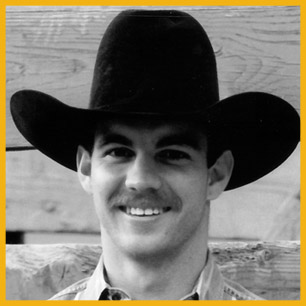
Jim Sharp’s bull riding career began early. Growing up in Texas, famed for its rodeo culture, he was introduced to the sport early on. Sharp soon started competing in local rodeos because his athleticism and fearlessness made him a good bull rider.
One of Jim Sharp’s greatest achievements was consistency. He had a knack for riding the sport’s most dangerous bulls. Years of hard work and practice led to this stability. Sharp spent numerous hours riding artificial bulls, researching bull behavior, and working with rodeo veterans to perfect his technique.
Beginning his PRCA career in the late 1980s was Jim Sharp’s breakthrough. He became famous among rodeo fans for his fearlessness and ability to ride even the toughest bulls. Sharp won his first PRCA World Championship in 1988 and twice more in 1989 and 1990. These back-to-back titles cemented his legacy.
Jim Sharp was known for his modesty and sportsmanship. Respect for his bulls and fellow riders was his hallmark. Sharp’s graciousness in triumph and defeat won over fans and riders. He always attributed his success to his family, friends, and the rodeo community.
Bull riding is physically demanding, yet Jim Sharp competed at the highest level for nearly a decade. He overcame the difficulties and remained a rodeo power due to his dedication and commitment. He attended a record 506 events without missing one, demonstrating his dedication to the sport.
Jim Sharp had setbacks and injuries during his career. Bull riding is risky and causes injuries. Sharp always recovered from shattered bones and concussions, becoming stronger and more determined. His persistence allowed him to overcome hardship and return to the arena.
Jim Sharp resigned from bull riding in 1998, inspiring future rodeo athletes. Three PRCA World Championships, many National Finals Rodeo qualifiers, and many more honors make him one of the finest bull riders ever.
Mike Lee

Mike Lee’s unconventional path to become a great bull rider began on March 28, 1983, in Fort Worth, Texas. He loved the rodeo from a young age and realized he was intended to master bull riding. His unwavering passion to learning the discipline propelled him to the top of professional bull riding.
Mike Lee’s longevity distinguishes him from other bull riders. Since his 2002 PBR debut, he has shown unequaled consistency and performance. Lee’s unmatched talent and hard ethic have kept him on top for nearly two decades.
A great bull rider can defeat the sport’s most powerful bulls. Mike Lee was a rodeo icon for his fearlessness when riding bulls. Every time he entered the chute, he showed his talent, guts, and tenacity against some of the sport’s most legendary and unpredictable bulls.
Mike Lee’s 2004 PBR World Championship was his breakthrough. His achievement of this distinction makes him one of the finest bull riders ever. Lee overcame several obstacles and the sport’s physical and mental demands to win this award. Rodeo fans will never forget his 2004 win.
Mike Lee received many honors over his career. He was recognized for his steadiness, finishing among the best PBR riders year after year. His many events wins, high-score rides, and 90-point rides make him a bull riding legend.
Beyond his riding skills, Mike Lee has influenced the sport via sportsmanship and mentoring. He has inspired and taught many young bull riders, passing on his experience and wisdom. Lee’s modesty and friendliness have won many fans and riders.
Bull riding causes injuries, and Mike Lee’s career was no exception. Fractures and surgeries plagued him, but he always recovered with persistence. He overcomes challenges with his unequaled enthusiasm and love for the sport.
Throughout his career, Mike Lee showcased his amazing abilities on the international stage. He participated internationally and represented the US in the Professional Bull Riders Global Cup, cementing his status as a bull riding ambassador.
J.B. Mauney

J.B. Mauney started bull riding early, born in Mooresville, North Carolina, on January 9, 1987. Former bull rider father introduced him to the sport. Mauney’s early exposure sparked his enthusiasm for rodeo, which led him to the top.
Mauney’s career took off in the early 2000s, and he became known for his courage against the sport’s toughest bulls. His unusual ability to balance and control a big, bucking bull makes him a formidable rodeo competitor.
He won his first PBR World Championship in 2013, a milestone for Mauney. This put him in the top tier of bull riding, solidifying his legacy. After that, he won another global title in 2015. Mauney’s steadiness in an injury-prone sport shows his devotion and mental resilience.
Adaptability and success in every setting distinguish J.B. Mauney from his colleagues. Bushwacker, the sport’s greatest bull, is among the bulls he has ridden. His dominance over these strong opponents shows his unmatched talents and drive.
Outside the ring, Mauney is fearless. Fans love him and competition admire him for his no-nonsense attitude and direct manner. Aspiring bull riders come to him for inspiration after his perseverance through injuries and disappointments.
J.B. Mauney has won several awards and achievements. Every season, he ranks among the world’s best riders, demonstrating his consistency. His endurance in a physically demanding sport shows his dedication to rodeo.
Mauney has helped promote bull riding beyond his own accomplishments. He is a PBR star known for his thrilling rides and charisma. His fame has popularized bull riding, cementing his legacy.
Bull riders risk their lives with each eight-second ride, but J.B. Mauney is a legend. He is one of the greatest bull riders ever due to his talent, dedication, and fearlessness. He is a rodeo icon due to his two PBR World Championships, his ability to defeat famous bulls, and his longevity.
Ross Coleman

Coleman’s tireless pursuit of greatness led to his bull riding legenddom. At 16, he followed his passion for bull riding and rose to the top of the sport. Coleman, from the Pacific Northwest, had to battle Texas and southern bull riders to join an elite club. He ignored regional restrictions and immediately became known for his talent.
Ross Coleman stood out for his dedication to the sport. He instinctively understood bull behavior and could read and react to their moves. His ability to connect with the animals made every ride an exciting sight for onlookers and a lesson for aspiring bull riders.
Coleman’s professional achievements were exceptional. He won the PRCA World Bull Rider title in 1992, 1993, and 1997. He became one of the most decorated bull riders in history by dominating the sport and winning several event championships and accolades.
Ross Coleman was beloved by spectators and riders for his sportsmanship and modesty. Coleman was humble and personable in a competitive and ego-filled environment. He routinely signed autographs, talked to fans, and taught new riders. His mentoring inspired a new generation of bull riders, who cite him as their biggest inspiration.
Coleman’s incredible career was difficult. Bull riding is risky, thus injuries are inevitable. His arena career included several fractures, dislocations, and concussions. He was unsurpassed in resilience. Coleman persevered and returned to the stadium early after each loss, becoming a sports legend.
Ross Coleman’s influence went beyond rodeo. He became famous in documentaries, TV shows, and advertising for his personality and passion of bull riding. He became a bull riding ambassador by connecting with audiences and bringing the adrenaline to the public.
Ross Coleman, a bull riding celebrity, died in an automobile accident on December 31, 1998. His death shook the rodeo community and left an unfillable vacuum. The Ross Coleman Memorial Bull Riding event draws elite riders from across the world to remember him.
Troy Dunn

Dunn’s path to becoming a legendary bull rider was difficult. He discovered rodeo on a cattle ranch as a child. His natural knack for riding bulls grew early on, and he became passionate about it. Dunn was motivated to succeed in professional bull riding despite injuries and financial issues.
Troy Dunn’s work ethic and devotion defined his career. He spent hours polishing his abilities and creating his own riding style. He became a rodeo star after dedicating himself to being the greatest bull rider he could.
Numerous accomplishments helped Dunn become a bull riding superstar. He established his name as a top rider in 1994 when he won his maiden PRCA World Championship. His talent and capacity to perform at the top level earned him this triumph.
Dunn’s accomplishments went beyond one title. He won three PRCA World Championships in his career, a rare achievement. He has great skill, drive, and mental tenacity to maintain this level of performance.
Troy Dunn’s 1998 qualifying ride on “Little Yellow Jacket.” was a career highlight. Many riders have failed to defeat this bull due to its force and unpredictability. Dunn’s legendary ride cemented his position as a bold and dominating bull rider.
Owen Washburn

Early exposure to rodeo in Oklahoma’s heartland launched Washburn’s career. His father, a rodeo champion, taught him bull riding on a ranch. From his first bull ride, Washburn showed a natural talent that marked him apart. He had a unique capacity to read bull movements and modify his body precisely.
As a rodeo pro, Washburn became known as a brave competitor who would take on any bull. In every ride, he fought the sport’s most unpredictable and dangerous bulls with tenacity and commitment. He loved the challenge, testing bull riding limits.
In the late 1990s, Washburn accomplished an extraordinary achievement that continues to define his career. He rode every bull in a season, a feat deemed unachievable in professional bull riding. Washburn was known as “The Unbreakable Cowboy” for his constancy and ability to ride even the most legendary bucking bulls.
Washburn influenced the sport beyond his riding skills. He was a rodeo ambassador, polite to fans, and ready to teach new riders. He was liked by rodeo fans worldwide for his modesty and friendliness. He inspired a new generation of bull riders, who continue his legacy.
Washburn kept his roots in mind despite his success. He worked on his family’s Oklahoma ranch, remaining connected to the place and animals that had made him a rider. His humility and passion for the sport won over fans and riders.
Bull riding is dangerous, and Washburn was no stranger to the physical toll. Breaking bones and concussions were common traumas throughout his career, but he always recovered with perseverance. This tenacious attitude made him one of the finest bull riders ever and won many followers.
Larry Mahan

In Salem, Oregon, Larry Mahan was born on November 21, 1943. Rodeo fascinated him as a child. Bull riding was his passion after discovering it in the rodeo arena. Mahan had a natural flair for the sport from an early age and worked hard to improve.
Mahan’s rodeo career took off. At 19, he won his first world title in 1962. This started a career that would earn him six more world titles and make him one of the most accomplished bull riders ever. He defeated the strongest bulls in the arena with incredible skill.
Larry Mahan stood out for his physical and cerebral strength. Bull riding requires attention and steel nerves. Mahan had several of these traits. He could enter the stadium calmly, hiding his adrenaline. Each motion was measured and perfect, like a dance with the bull.
One of Mahan’s most memorable events was riding Red Rock to a stop in 1969. As fierce as Red Rock was, he had never been ridden for eight seconds. Mahan won his eighth world title and cemented his rodeo legacy with his spectacular ride. His achievement shook the rodeo world and made him a symbol of daring and expertise.
Bull riding was shaped by Larry Mahan’s influence outside the ring. He taught many wannabe cowboys, passing on his knowledge and expertise. Rodeo was his passion, and he relentlessly promoted and preserved its traditions.
Mahan’s influence went beyond rodeo. Performing in films and TV series that popularized rodeo made him a household celebrity. His charisma and raw appeal won many followers worldwide.
Mahan has many career injuries and setbacks. Bull riding is brutal and physically demanding. But Mahan’s perseverance was as impressive as his riding. He recovered from injuries with grit, showing cowboy spirit.
Larry Mahan retired, but his legacy grew. Inducted into the ProRodeo Hall of Fame and National Cowboy & Western Heritage Museum, he became a sports icon.
Bobby Steiner

Born in Decatur, Texas, on November 4, 1970, Bobby Steiner was destined for cowboydom. Growing up in a rodeo-oriented household, he learnt bull riding early. As he got older, Steiner realized he had a remarkable aptitude and enthusiasm for rodeo that would make him famous.
Steiner’s bull riding career was remarkable. His unique ability to read bulls, keep calm during violent rides, and stay focused under duress set him apart from his opponents. Steiner thrived on the adrenaline thrill of bucking bulls, unlike other riders.
Steiner had many honors over his career. He won many PRCA world titles in the 1990s and early 2000s, dominating bull riding. His winning streak and unequaled riding technique inspired bull riders worldwide.
Bobby Steiner’s 1992 National Finals Rodeo ride on Red Rock was a career highlight. Red Rock was notoriously difficult to ride, but Steiner stunned the rodeo world with an eight-second ride. This ride symbolized Steiner’s unmatched skill and ability to overcome the sport’s hardest hurdles.
Steiner was distinguished for his tenacity and mental strength. Bull riding is one of the most physically and emotionally demanding sports, forcing riders to face their concerns everyday. Steiner’s dedication to the sport despite injuries and disappointments showed his perseverance. He often described himself as “addicted to the danger,” a bull rider’s attitude.
Bobby Steiner was humble and sportsmanlike off the court. He was an inspiration for future riders, often advising and supporting them. His passion for rodeo gained him the respect and affection of fans and competitors.
Steiner’s legacy grew over time. He became a living legend of what can be accomplished with hard work, devotion, and enthusiasm for one’s art. His name was linked with bull riding brilliance, inspiring generations of rodeo fans.
Jim Shoulders

Jim Shoulders’ path to bull riding glory was difficult. He loved rodeo from an early age, and as he improved, it became clear he had a remarkable talent. Known for his unshakable commitment and excellent work ethic. He had several problems early in his career, but they only fueled his drive and improved his skills.
Jim Shoulders was known for his bull riding skills. Bull riding is risky because riders must stay balanced on a huge, unpredictable animal. Shoulders could predict the bulls’ every move. This incredible talent allowed him to ride some of the sport’s most powerful bulls.
Shoulders’ career was distinguished by spectacular accomplishments that qualified him as the finest bull rider ever. He still holds the record for world titles with 16. He ruled rodeo and set records for successive world titles. Each win showed his devotion and riding prowess.
Besides his athleticism, Jim Shoulders was a humble and honorable sportsman. He was a rodeo ambassador, kind in triumph and modest in failure. He was revered for his riding skills and demeanor, inspiring rodeo hopefuls.
Jim Shoulders’ influence on rodeo went beyond his career. He was vital to the sport’s development. He changed rodeo cattle treatment due to his dedication to animal welfare. He stressed animal welfare and improved handling.
In addition to animal welfare, Shoulders promoted rodeo as a popular sport. He constantly promoted rodeo to fans nationwide because he knew its value. His efforts popularized rodeo and established the current rodeo community.
Rodeo fans worldwide remember Jim Shoulders, not just in the record books. His name connotes boldness, determination, and greatness. He influenced rodeo after retiring, coaching future riders and promoting its principles.
Clint Branger

Branger’s bull riding roots go back to his little Texas town upbringing. He watched in fascination as cowboys and bulls fought for strength and will during rodeos throughout his youth. He vowed to dominate the sport after seeing these racers’ energy and determination.
Clint Branger’s talent and hard ethic set him apart from other bull riders. He knew he had to commit himself to bull riding to succeed in the uncertain environment. He dedicated himself to bull riding, muscle training, and mental conditioning from the start. Branger practiced for days, polishing his talents and strategies.
Over his career, Clint Branger gained noted for his ability to adapt to any bull. Branger was determined on every ride, whether it was a wild bull or a placid one. He was outstanding at reading the bull’s motions and making split-second decisions. He had a sixth sense that allowed him to predict the animals’ every action, even when the odds were against him.
Unfortunately, bull riding causes injuries. Clint Branger knows the hardships of the job. Many injuries would have disabled weaker riders over his career. However, his incredible resilience allowed him to recover again. Branger’s tenacity to overcome injuries and return to the arena inspired spectators and other riders.
Mental toughness and physical prowess made Clint Branger one of the finest bull riders ever. Branger recognized the mental side of bull riding, which is typically overlooked. He was remarkable at staying calm in perilous situations. He was respected by his contemporaries and loved by spectators worldwide for his unrelenting focus and bravery, making him a deadly bull opponent.
Clint Branger won several championships during his career. His repeated PBR World Championships showed his steadiness and superiority. He popularized bull riding and helped it reach more people beyond the arena.
READ ALSO: Best Bull Riders Of All Time / Best NFL Tight Ends Of All Time / Best Kicker Of All Time / Best Basketball Team Of All Time / Best Hitter Of All Time


