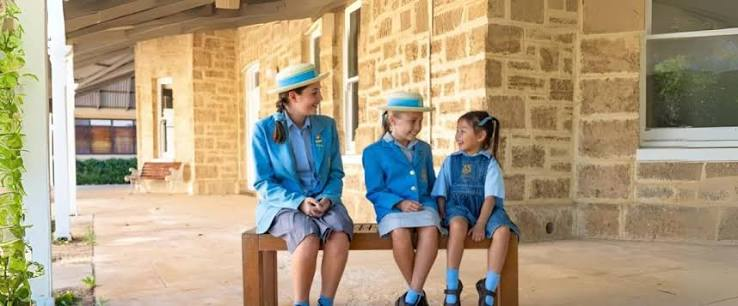
Primary school marks one of the most important chapters in a child’s education. It is during these formative years—typically from Prep through to Year 6—that children develop the literacy, numeracy, social, and emotional skills that shape their future learning journey.
Choosing the right primary school and understanding how the primary education system works can make a significant difference to a child’s early development and long-term academic success.
What Is Primary School?
Primary school is the first stage of formal, structured education that follows early childhood learning such as kindergarten or preschool.
In Australia, primary schooling generally spans seven or eight years, starting with a preparatory or foundation year and continuing through to Year 6 or Year 7, depending on the state or territory.
During this period, children are introduced to core subjects including English, mathematics, science, humanities, and the arts, alongside physical education and social skill development.
Primary schools play a critical role in a child’s cognitive, emotional, and social growth. Teachers at this level focus not only on academic knowledge but also on nurturing curiosity, resilience, and a genuine love of learning that carries through to secondary school and beyond.
Types of Primary Schools in Australia
Families in Australia generally have three main options when it comes to primary education:
- Government (state) schools – Fully funded by state and territory governments, these schools are free to attend, though some fees may apply for extracurricular activities, uniforms, or excursions.
- Catholic schools – Operated by Catholic education authorities, these schools combine academic curriculums with religious education and typically charge moderate fees.
- Independent (private) schools – Privately governed and funded through a combination of government subsidies and school fees, independent schools often offer smaller class sizes, specialised programs, and additional facilities.
Each pathway offers distinct advantages, and the right choice depends on a family’s values, budget, and educational priorities.
For example, families seeking a smaller, values-driven learning environment may consider a private primary school in Brisbane that emphasises personalised attention alongside strong academic outcomes.
Why Choosing the Right Primary School Matters
The primary school years lay the groundwork for how children approach learning for the rest of their lives.
A supportive and well-resourced primary school can help students build:
- Strong literacy and numeracy foundations
- Confidence in social interactions and teamwork
- Problem-solving and critical thinking skills
- Emotional resilience and self-regulation
- A positive attitude towards school and learning generally
Because these formative skills influence later academic and personal outcomes, many parents invest considerable time researching schools, visiting open days, and speaking with current families before making a decision.
Key Factors to Consider When Choosing a Primary School
Selecting a primary school is a significant decision, and there are several factors families typically weigh up before enrolling their child.
Curriculum and Teaching Approach
Different schools may follow different educational philosophies. Some emphasise a traditional academic curriculum, while others incorporate inquiry-based learning, Montessori principles, or STEM-focused programs. Understanding a school’s teaching philosophy helps parents determine whether it aligns with their child’s learning style.
Location and Accessibility
Proximity to home is often a practical consideration, particularly for younger children who may need to be dropped off and collected daily. Families should also consider transport options, before and after school care availability, and traffic conditions during peak times.
School Facilities and Resources
Well-equipped schools with libraries, science labs, sporting facilities, and outdoor play areas can enrich a child’s learning experience. Facilities dedicated to the arts, music, and technology are also worth considering, particularly for families wanting a well-rounded education for their child.
Class Sizes and Student Support
Smaller class sizes often allow for more individualised attention, which can be especially beneficial for children who need additional academic support or enrichment.
It is worth asking schools about their student-to-teacher ratios and the support services available for students with additional learning needs.
School Culture and Values
Every school has its own culture, shaped by its values, community involvement, and approach to student wellbeing.
Visiting the school, speaking with staff, and observing how students interact can give families valuable insight into whether a school’s culture is the right fit.
The Transition from Primary to Secondary School
The move from primary to secondary school is another key milestone. Around Year 6 or Year 7, students typically transition into a larger, more complex school environment with subject-specific teachers, greater independence, and increased academic expectations.
Primary schools play an important role in preparing students for this shift by gradually introducing more structured routines, encouraging independent study habits, and supporting social-emotional readiness for secondary education.
Many schools run transition programs, orientation days, and buddy systems to help ease this process, ensuring students feel confident and supported as they move into the next stage of their education.
Supporting Your Child’s Primary School Journey
Parental involvement remains one of the most influential factors in a child’s success at primary school.
Simple actions such as reading together at home, maintaining open communication with teachers, and encouraging a healthy balance between schoolwork and play can significantly support a child’s development.
Some practical ways parents can stay engaged include:
- Attending parent-teacher interviews and school events
- Establishing consistent homework and reading routines
- Encouraging participation in extracurricular activities
- Fostering open conversations about school experiences
- Working collaboratively with teachers to address any learning challenges
Government Resources for Families
Families researching schooling options can access reliable, up-to-date information through official government channels. The Queensland Government’s Department of Education, for example, provides comprehensive guidance on school types, enrolment processes, and educational programs available to families across the state.
Government education websites are a valuable starting point for understanding enrolment requirements, catchment areas, and the differences between school sectors.
Conclusion
Primary school is far more than a stepping stone to secondary education—it is a formative period that shapes how children learn, socialise, and view themselves as capable learners.
Whether families choose a government, Catholic, or independent school, the goal remains the same: to provide a nurturing, engaging, and academically sound environment where children can thrive.
By carefully considering curriculum, facilities, culture, and support services, and by staying actively involved throughout the process, parents can help set their children up for a successful and fulfilling educational journey.