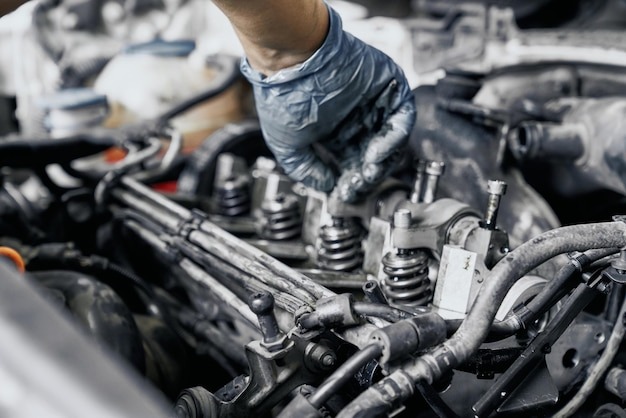
Caterpillar engines power trucks, generators, and heavy equipment that often run for long hours under heavy loads. A CAT turbocharger plays a major role in that performance, forcing extra air into the engine so it can burn fuel efficiently and produce more power. Like any hard-working part, it eventually wears out. Spotting the warning signs early can prevent engine damage and expensive downtime. Here are five signs it may be time for a replacement.
1. Noticeable Loss of Power
A CAT turbocharger that is failing often shows up first as weak performance. The engine may feel sluggish, struggle to climb hills, or take longer to reach working speed under load.
This happens because the turbo is no longer delivering the proper boost pressure. Before assuming the turbo is to blame, check for clogged air filters, intake leaks, or fuel problems, since these can cause similar symptoms.
2. Excessive Exhaust Smoke
Unusual smoke is one of the clearest warning signs. Blue or gray smoke often means oil is leaking past worn seals and burning in the engine or exhaust, while black smoke can point to poor air delivery and an overly rich fuel mix.
Thick white smoke may indicate other engine problems. When a cat turbocharger is damaged, the engine cannot get the right air-to-fuel balance, which affects both emissions and fuel economy.
3. Strange Noises From the Engine
Listen carefully for new sounds as the engine runs. A healthy turbo produces a soft whistle, but a damaged one may emit a loud whining, siren-like, or grinding noise.
These sounds often signal worn bearings, a damaged compressor wheel, or contact between moving parts. A failing cat turbocharger can destroy itself quickly once the noise begins, and broken fragments may travel into the engine.
4. High Oil Consumption or Oil Leaks
Turbochargers rely on a steady supply of clean oil, so oil problems are a major red flag. If you notice dropping oil levels with no obvious external leak, or oil residue around the turbo housing, intake piping, or intercooler, seals may be failing.
A worn cat turbocharger can let oil escape into the air path, where it burns or coats other components.
5. Warning Lights and Poor Fuel Economy
Modern engines monitor boost pressure, exhaust temperature, and air flow. When readings fall outside normal ranges, the system may trigger a check engine light or a derate mode that limits power.
At the same time, you may see rising fuel use, since the engine works harder to make up for lost boost. Diagnostic tools can confirm whether a cat turbocharger is underperforming and help rule out sensors, hoses, or other emission parts.
Final Thoughts
Catching these symptoms early can save thousands in repairs and prevent unexpected breakdowns. If you suspect trouble, have a qualified diesel technician inspect the turbo and, just as important, find the root cause, such as contaminated oil or a clogged intake. Replacing the turbo without fixing the underlying issue often leads to repeat failures. Keep up with oil changes, air filter service, and proper warm-up and cool-down habits, and your equipment will keep delivering dependable power on the job.