

American Horror Story – Murder House (Season 1)
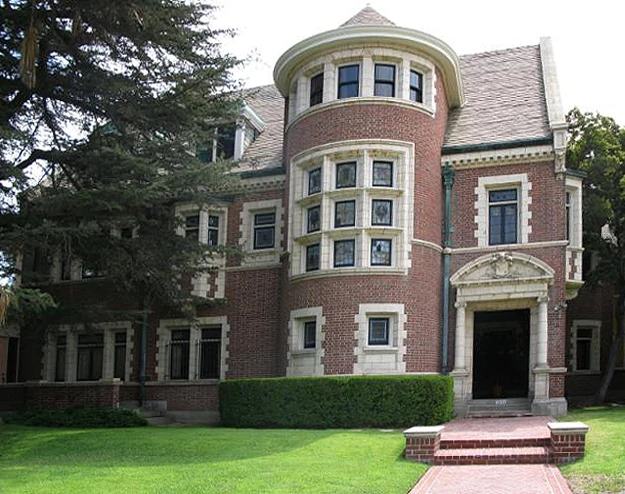
“Murder House,” the first season of “American Horror Story,” is one of its most fascinating and unforgettable episodes. Its rich storyline, terrifying atmosphere, and excellent character development make it one of the show’s best seasons.
Taking place in a spooky Los Angeles home, “Murder House” instantly captivates viewers. The beautiful estate contrasts with its nefarious occurrences, providing the atmosphere for a horror and mystery story. The home becomes a character, with secrets from numerous generations and a malignant vibe.
The varied story of “Murder House” is its strength. The season unravels a complicated web of interrelated storylines, revealing the terrible history that connects the characters to the haunted home. The drip-feed of information intrigues and frightens the listener in a nonlinear narrative.
The characters in “Murder House” are complex, flawed, and have intriguing storylines. Vivien and Ben Harmon, the house’s tragic owners, struggle with marriage in the otherworldly. Their daughter Violet navigates adolescence and an unexpected relationship. The intriguing Moira and the sinister Tate provide complexity to the group with their haunting pasts.
A twisted and dysfunctional family adds terror. The Harmons’ struggles to save their family reflect the house’s spirits’ dissolution. The haunting exchanges between the living and the dead emphasize the sadness of lost potential and broken relationships, heightening the scares’ emotional impact.
“Murder House” excels in psychological and otherworldly terror. The season explores human nature’s darkest corners, including betrayal, addiction, and mental illness, set against the mansion’s terrible energies. This juxtaposition heightens the dread, making it about both nighttime monsters and inner demons.
American Horror Story – Freak Show (Season 4)
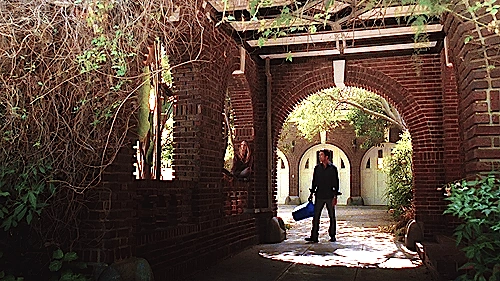
“Freak Show,” the fourth season of “American Horror Story,” is one of its most intriguing and unforgettable episodes. The 1950s-set season blends horror, drama, and social criticism, making it stand out in the franchise.
Masterful writing that weaves together complex characters and subplots distinguishes “Freak Show”. The season follows Jessica Lange’s Elsa Mars, a former German cabaret actress who runs a faltering freak show in Jupiter, Florida. The show’s freak show characters have hopes, anxieties, and wants, not simply shock value. From the compassionate and brilliant Lobster Boy (Evan Peters) to the troubled and sensitive conjoined twins Bette and Dot (Sarah Paulson), each character is well developed, making the audience emotionally immersed in their tales.
The social topics explored in “Freak Show” are also excellent. The season explores ‘otherness’ and the hardships of nonconformists. Although their unorthodox family provides a feeling of connection, freak show performers confront prejudice, discrimination, and exploitation from the outside world. This discussion on acceptance, identity, and ruthlessness enriches the horror story.
The aesthetics of “Freak Show” enhance its appeal. Show makers precisely replicate the 1950s scene, immersing audiences in historical clothes, music, and culture. Carnival scenes are mixed with horror, producing a disturbing and strange atmosphere that puts viewers on edge. Practical effects and makeup bring the characters’ particular physical traits to life, adding realism.
Cast performances make “Freak Show” stand out. As Elsa Mars, Jessica Lange shows her flexibility as an actress by playing both her sensitivity and ruthlessness. Sarah Paulson, Evan Peters, Kathy Bates, and Angela Bassett make their characters terrifying and sympathetic through their nuanced performances.
American Horror Story – Coven (Season 3)

“Coven,” the third season of “American Horror Story,” is one of the greatest, with an intriguing narrative, great acting, and a unique combination of horror and fantasy. The season explores witchcraft in modern New Orleans, a new horror genre.
“Coven” flawlessly blends historical and supernatural occurrences, making it exceptional. The story follows a coven of witches as they use their magical abilities and battle voodoo practitioners and commit terrible murders. Adding real-life events like the Salem witch trials and Madame LaLaurie’s tragedy deepens the drama and keeps viewers engaged.
The “Coven” cast excels. The ensemble cast, led by Jessica Lange as Fiona Goode, the Supreme witch, and Sarah Paulson as Cordelia Foxx, the coven headmistress, portrays their roles with tenderness and courage. The witches’ various skills and shortcomings give complexity to the plot, making it easier for spectators to care about their destiny.
Themes beyond terror are one of “Coven”‘s hallmarks. The season explores female empowerment, identity, mother-daughter relationships, and power’s effects. Organically weaving these issues throughout the storyline gives the program a complexity beyond scares.
The visuals of “Coven” make it appealing. The creepy and intriguing scenery and lavish costumes immerse spectators in witchcraft. Visual effects bring spells and magical scenes to life, adding spectacle to the plot.
Furthermore, “Coven” embraces its horror roots while taking creative chances that pay off. Its tonal complexity keeps spectators on edge with frightening gore, suspense, and dark comedy. This openness to play with genre tropes distinguishes and helps the season succeed.
American Horror Story – Roanoke (Season 6)
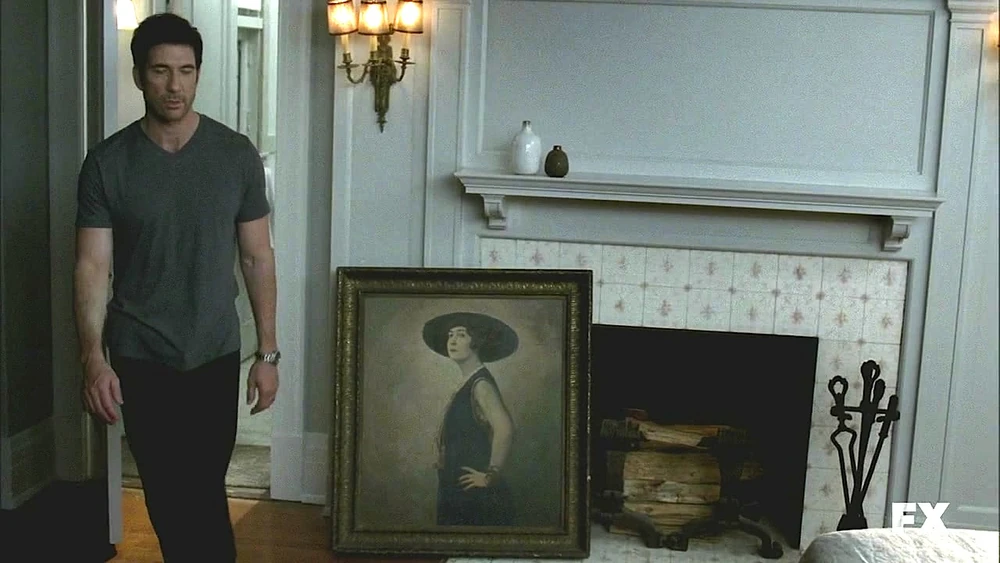
Roanoke, the sixth season of “American Horror Story,” is one of its most intriguing and imaginative. This season skillfully mixes horror, mystery, and reality TV cliches to create a terrifying story that keeps viewers on edge.
The docu-drama nature of Roanoke sets it distinct. The season is a fake documentary called “My Roanoke Nightmare,” with character interviews talking about their experiences. This novel method to horror lets viewers see both the occurrences and the characters’ reactions. This dualism immerses spectators in the protagonists’ feelings and worries.
The season follows Shelby and Matt Miller, a couple who relocate into a remote North Carolina farmhouse. The mansion and land’s terrible past reveals as they move there. The pair lives in a nightmare as paranormal activity rises. Cannibalistic colonists called the “Polk Family.” live in the woods around the home, causing dread. The found-footage approach makes every meeting feel intimate and amplifies tension and suspense.
The Roanoke cast is remarkable, with numerous performers playing dual parts. Sarah Paulson and Lily Rabe play the “real” Shelby and Audrey, the documentary actress. This juxtaposition complicates personalities and relationships by blurring truth and fantasy. Cuba Gooding Jr. and André Holland portray Matt in reenactments and real-time interviews, emphasising the haunting’s psychological impact.
The “Return to Roanoke” surprise in the second half of the season ups the terror. The documentary series cast spends three days in the haunted home for a follow-up, which ends tragically. As characters try to discern manufactured events from actual dread, the show inside the show and reality blend.
Roanoke’s plot, structure, and performances make it a notable “American Horror Story” season. By rejecting norms and crafting a complicated story, the show reinvents itself again, creating a terrifying experience that lasts long after the credits roll.
American Horror Story – Hotel (Season 5)

“Hotel,” the fifth season of “American Horror Story,” is one of its most unsettling episodes. This 2015 season brilliantly mixes horror, drama, and psychological intrigue to leave viewers uneasy and fascinated.
The season features a varied cast of people whose lives interweave in bizarre and unsettling ways in the creepy Hotel Cortez in Los Angeles. Lady Gaga’s Countess played in her acting debut, leads the cast in stunning performances that deepen and complicate the plot.
“Hotel” is lauded for its frank treatment of terrible topics including addiction, love, betrayal, and immortality. The maze passageways, hidden chambers, and dark history of the hotel become a character, setting the horrors. A sensory feast of Art Deco splendor and gothic dread creates a beguiling and menacing mood.
This season’s seamless integration of historical events and characters is a highlight. The Hotel Cortez follows the dark history of the Hotel Cecil, blending fact and fantasy. The show’s otherworldly components are unsettlingly genuine thanks to serial murderer Richard Ramirez.
The characters’ motives, wants, and inner demons are explored in “Hotel”. Each episode reveals underlying traumas and passions that drive the individuals wild. This psychological depth, aesthetic flare, and captivating storyline keep audiences on edge all season.
The season’s complex plot connects Hypodermic Sally’s tragic background to the detective’s tireless search of a nasty serial murderer. The audience must piece together the fractured tale in the non-linear storytelling approach.
American Horror Story – Asylum (Season 2)

The second season of “American Horror Story,” “Asylum,” is one of the best and most fascinating. The season explores psychological terror and human depravity at Briarcliff, a criminally insane facility, leaving viewers mesmerized and disturbed.
The excellent combination of historical background and otherworldly fear distinguishes “Asylum”. The 1960s season masterfully blends in real-life tragedies like mental illness treatment and cultural limits on women and minorities. This backdrop amplifies Briarcliff’s atrocities, producing a haunting feeling of oppression and misery.
“Asylum” stars Jessica Lange, Sarah Paulson, Evan Peters, and others to create rich, multi-dimensional characters. Jessica Lange’s depiction as Sister Jude, the brutal yet wounded institution leader, is a highlight that shows her strength and vulnerability. Sarah Paulson’s Lana Winters, a Briarcliff-focused investigative journalist, leads the viewer on a terrifying voyage of survival and self-discovery.
The season is a masterful weave of interrelated tales that flow. From the secretive Dr. Arden (James Cromwell) performing horrific experiments to the beautiful but evil Bloody Face killer, each subplot adds to the overall horror. Demonic possession and otherworldly encounters add terror that advances the genre.
With its stunning production design and historical accuracy, “Asylum” is a visual feast. The spartan décor and poorly lighted halls of Briarcliff add to its somber aura. This visual style matches the psychological terror, producing an uncomfortable atmosphere that lasts after the credits.
As a whole, “Asylum” shows how the program may explore human depravity while telling a complex story. The season’s investigation of psychosis, religion, sexuality, and power shows a willingness to handle difficult topics. With its excellent acting, evocative imagery, and thought-provoking writing, “Asylum” stands out in the “American Horror Story” anthology, cementing its terrifying stories in television history.
American Horror Story – Apocalypse (Season 8)

“Apocalypse,” the eighth season of “American Horror Story,” is one of its most intriguing and engrossing. Horror, suspense, and dark comedy make this season distinctive and keep viewers on edge.
The season successfully blends together “Murder House” (Season 1) and “Coven” (Season 3) in a post-apocalyptic environment. This crossover adds intricacy to the story, rewarding fans with callbacks and references and providing new difficulties to these renowned characters. The show’s writers’ seamless incorporation of earlier seasons’ characters and themes shows their creativity.
The season begins with a terrible catastrophe that destroys the planet and creates the “Cooperative.” The story of power conflicts, magical talents, and ethical challenges is expertly jumped between the catastrophic present and the history leading up to it. As the protagonists strive for survival, atonement, and power, spectators experience a rollercoaster of emotions.
“Apocalypse” brilliantly develops complicated characters and their inner battles. Recurring favorites Sarah Paulson, Evan Peters, and Jessica Lange, along with newcomers Joan Collins and Cody Fern, make the season appealing. Paulson shows her variety by playing numerous personas, while Peters provides charm and depth to his parts.
Cinematography is a seasoned strength because of its beauty and theme. The juxtaposition between the outer world’s dismal wasteland and the surviving enclaves’ luxurious interiors heightens the impression of isolation and luxury in turmoil. Spells and supernatural battles are brought to life with stunning visual effects, giving the drama an unearthly feel.
As with “American Horror Story,” “Apocalypse” strikes the right blend between horror and dark comedy. Witty one-liners and satire on social standards balance severe horror. This tonal dichotomy keeps the season from being too dark and lets viewers understand the characters’ struggles.
American Horror Story – Cult (Season 7)

“Cult,” the seventh season of “American Horror Story,” is one of the show’s greatest owing to its creative narrative, solid character development, and current exploration of social concerns and worries. The season explores cults and deceptive leaders in the aftermath of the 2016 U.S. presidential election, utilizing real-world events as a background.
The narrative in “Cult” is exceptional. The season follows numerous people who become involved in fear and exploitation following the election. The complicated storyline mixes personal difficulties, political conflicts, and psychological terror, keeping viewers on edge. The story effectively blends psychological thriller and horror to expose the actual nature of the cult and its mysterious leader, Kai Anderson (Evan Peters).
Seasonal character growth is another strength. Characters change due to their weaknesses and wants during the tale. Sarah Paulson plays Ally Mayfair-Richards, a lady with phobias and anxieties who becomes a powerful person who faces her fears. However, Kai starts as a charming leader who inspires loyalty but spirals into lunacy and megalomania. These complex people make the season more interesting by enhancing their experiences.
The study of social concerns and charismatic leaders’ use of them sets “Cult” distinct. The season exploits post-2016 election uneasiness and divisiveness to show how fragile social norms are and how manipulable people are. The cult’s techniques of exposing vulnerabilities and instilling terror appear disturbingly real, making the tragedy feel close to home.
The “Cult” creative team enhances the watching experience with its trademark visual and audio methods. The season’s vivid images, strange scenes, and scary pictures create dread. The soundtrack and sound design heighten the intensity, capturing the protagonists’ psychological agony.


