An engine contains many important components that work together to produce power and keep a vehicle running smoothly. One small but essential component is the piston pin. Although piston pins may not receive as much attention as other engine parts, they play a major role in engine performance and durability. They connect the piston to the connecting rod and help transfer the force created during combustion. Choosing strong and reliable piston pins is important for maintaining engine efficiency, reducing wear, and extending the engine’s service life.
Understanding the Role of Piston Pins
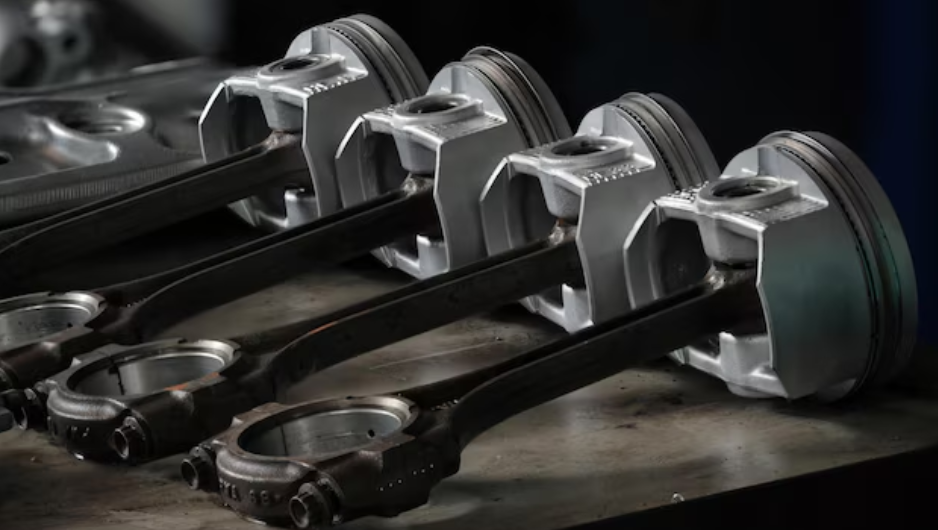
Piston pins, also known as wrist pins, are cylindrical metal components that connect the piston to the connecting rod. They allow the connecting rod to move smoothly as the piston travels up and down inside the cylinder. This movement is necessary for converting combustion energy into mechanical power.
During engine operation, piston pins experience constant pressure, movement, and friction. They must handle these forces without bending, cracking, or wearing out quickly. High-quality piston pins provide a stable connection between important engine components and support consistent engine operation.
Strength Helps Handle High Engine Pressure
Every time fuel burns inside an engine, it creates pressure that pushes the piston downward. This pressure transfers through the piston pin to the connecting rod. As a result, piston pins must withstand repeated loads without losing their original shape or strength.
Strong piston pins are manufactured using durable materials and suitable production methods. Their strength helps them handle demanding engine conditions, including high temperatures and heavy workloads. This is especially important in high-performance engines, where components regularly experience greater pressure and stress.
Better Resistance to Wear and Friction
Friction is a natural part of engine operation. However, excessive friction can damage moving components and reduce overall efficiency. Piston pins constantly work with connected engine parts, making their surface quality and resistance to wear very important.
Well-designed piston pins often feature smooth surfaces and appropriate treatments that help reduce friction. Better wear resistance allows them to maintain reliable contact with surrounding components over time. This can reduce the risk of premature damage and help an engine operate more consistently.
Supporting Overall Engine Performance
The quality of piston pins can directly influence how effectively an engine operates. A properly fitted and durable pin helps maintain the correct connection between the piston and connecting rod. This supports smooth movement and helps prevent unnecessary vibration or mechanical stress.
Strong piston pins also contribute to reliable power transfer. When these components maintain their strength and fit, other engine parts can perform their functions more effectively. This is particularly important for vehicles and machinery that operate for long periods or under demanding conditions.
Choosing the Right Piston Pins
Selecting suitable piston pins requires attention to material quality, dimensions, manufacturing standards, and engine compatibility. The pins must match the engine’s design and operating requirements. Even a strong component may cause problems if it has incorrect dimensions or does not fit properly.
Working with reliable manufacturers and suppliers can help ensure consistent quality. It is also important to consider the engine’s power requirements and intended use before making a selection.
Conclusion
Strong piston pins are essential for maintaining engine durability, performance, and reliability. They handle significant pressure, support smooth movement, and help reduce wear between connected components. By choosing high-quality piston pins that meet the engine’s specifications, vehicle owners and manufacturers can support longer engine life and more dependable operation. Investing in durable components is a practical way to protect engine performance over time.