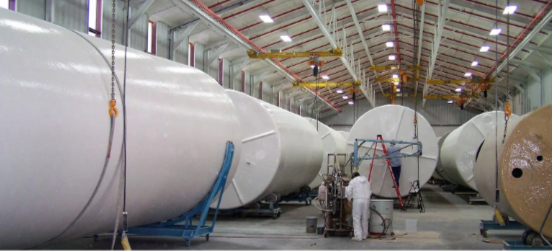
In industrial operations, chemical tanks play a crucial role in storing and managing chemicals safely. These tanks face continuous stress due to the nature of the chemicals they hold, temperature changes, and constant use. Over time, even the most durable tanks can develop leaks, cracks, or corrosion. If these issues are not addressed promptly, they can disrupt operations, cause financial losses, and even pose serious safety hazards. This is where chemical tank repair becomes essential. Proper maintenance and repair of chemical tanks ensure that industries can continue operating efficiently and safely.
Understanding the Importance of Chemical Tank Repair
Chemical tank repair is more than just fixing leaks or cracks. It is a proactive approach to maintaining the integrity of storage systems. Industrial chemicals can be highly reactive and dangerous, and a damaged tank increases the risk of chemical spills and accidents. Repairing tanks promptly prevents minor issues from turning into major problems. It also helps in extending the life of the tanks, reducing the need for frequent replacements. By investing in chemical tank repair, industries can protect their workforce, equipment, and the environment while ensuring smooth operations.
Common Problems in Industrial Chemical Tanks
Industrial chemical tanks are subjected to harsh conditions, and this can lead to several common problems. Corrosion is one of the most frequent issues, especially in tanks storing acidic or alkaline substances. Leaks can develop due to physical damage, worn-out seals, or structural weaknesses. Cracks may appear as a result of stress or pressure changes inside the tank. Additionally, the buildup of residues or sediments can block valves and reduce storage capacity. Understanding these issues allows industries to address them quickly through proper repair and maintenance.
Methods Used in Chemical Tank Repair
There are various methods used in chemical tank repair depending on the type of damage and the tank material. Welding is commonly used to fix cracks and restore structural integrity. Coating and lining can protect the tank from future corrosion and chemical reactions. In some cases, replacement of parts such as valves, seals, or gaskets is necessary. Regular inspections and preventive maintenance also play a vital role in keeping the tanks in good condition. Skilled technicians use specialized equipment and follow strict safety protocols to ensure that repairs are effective and long-lasting.
Benefits of Timely Chemical Tank Repair
Timely chemical tank repair offers multiple benefits for industrial operations. First, it prevents production delays caused by unexpected tank failures. A leaking or damaged tank can halt the storage and handling of chemicals, affecting the entire production process. Second, repairs reduce the risk of chemical spills and accidents, protecting employees and the environment. Third, proper maintenance saves money in the long run by avoiding costly replacements and emergency repairs. Finally, well-maintained tanks enhance operational efficiency, ensuring that industries can meet production targets consistently.
Choosing the Right Service for Chemical Tank Repair
Selecting the right service provider for chemical tank repair is crucial. Industries should look for companies with experienced technicians, proper certifications, and a strong track record of handling similar tanks. The repair service should follow strict safety standards and use high-quality materials and tools. Additionally, a reliable service provider will offer inspections and maintenance plans to prevent future issues. Investing in a trustworthy repair service ensures that chemical tanks remain safe, functional, and compliant with industry regulations.
Conclusion
Chemical tanks are an essential part of industrial operations, and their proper functioning is vital for safety, efficiency, and cost-effectiveness. Regular inspection and timely chemical tank repair prevent small issues from becoming major problems, protecting both employees and the environment. By addressing leaks, corrosion, and structural damage promptly, industries can avoid production delays, reduce financial losses, and maintain smooth operations. Choosing the right repair service and following preventive maintenance practices ensures that chemical tanks continue to serve their purpose safely and reliably for years to come.